Sanchar Saathi App: India’s Big Telecom Security Push
Thu Dec 04 2025
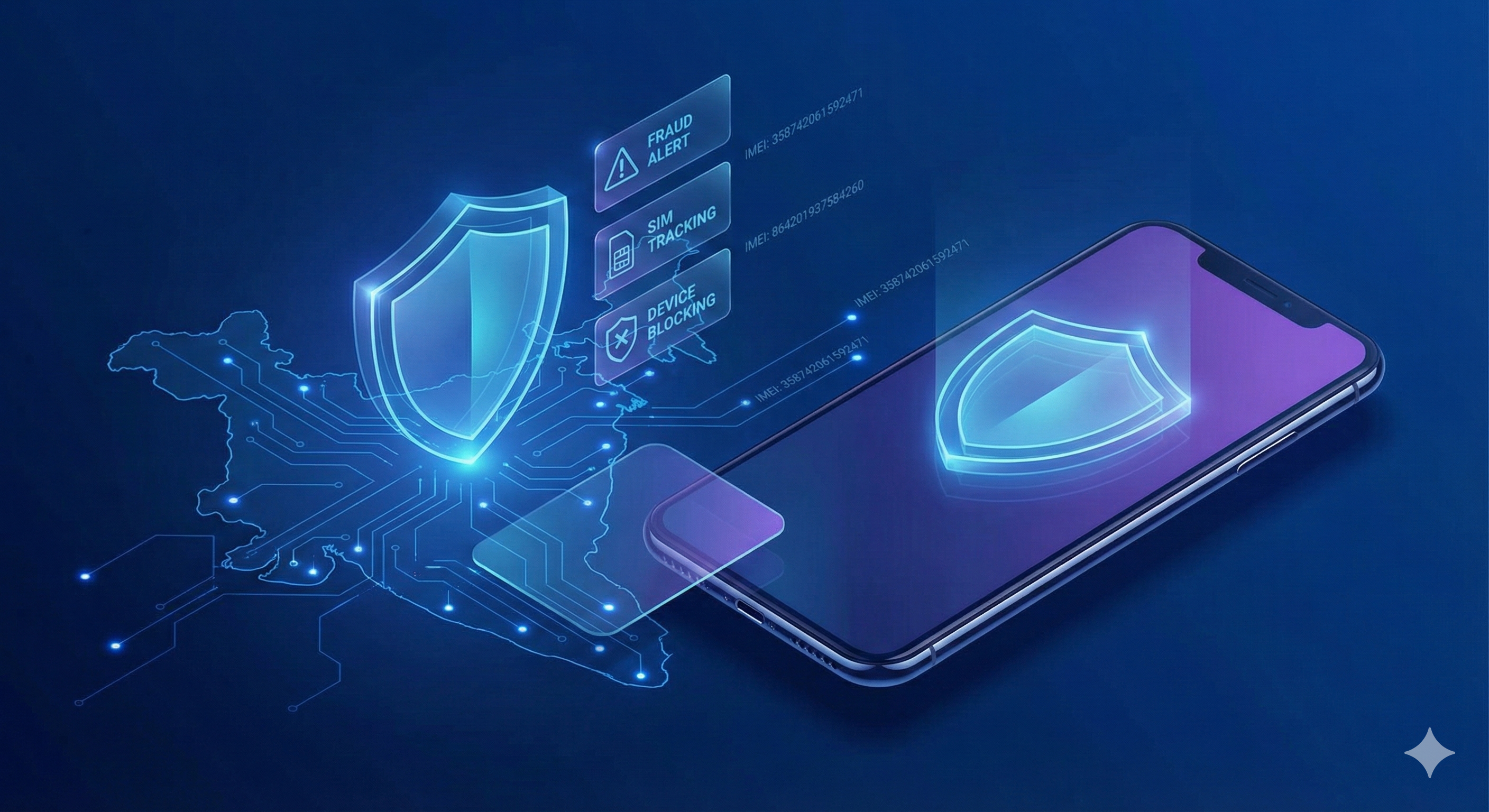
Sanchar Saathi App: India’s Big Telecom Security Push — A Deep Dive Into Features, Benefits & the Mandatory App Controversy
By a tech-policy analyst with a decade of experience exploring the intersection of technology, governance, and security.
Introduction: Why Sanchar Saathi Became India’s Most Debated App
In late 2025, India quietly rolled out one of its biggest telecom-security initiatives — the Sanchar Saathi App, developed by the Department of Telecommunications (DoT).
What began as a simple, citizen-friendly security tool suddenly turned into a political flashpoint when the government announced that all new smartphones sold in India must pre-install the app, making it effectively mandatory.
Within 48 hours, the backlash was so loud that the government issued a public clarification:
The app is optional. Users can delete it if they want.
This U-turn sparked debates on surveillance, digital rights, and the future of telecom regulation in India.
This article breaks down everything — from basics to deep policy analysis — so readers walk away with complete clarity.
What Exactly Is Sanchar Saathi?
Sanchar Saathi is a citizen-centric telecom security platform designed to protect Indians from:
- mobile theft
- SIM/IMEI fraud
- WhatsApp/SMS-based scams
- identity misuse
- counterfeit or cloned devices
document
It is available as:
- Web portal: sancharsaathi.gov.in
- Mobile app: Android & iOS
It connects directly to India’s Central Equipment Identity Register (CEIR) — the national database of legitimate and blacklisted IMEIs.
Core Technical Infrastructure (Simple Explanation)
- IMEI + SIM binding: Device identity is tied to SIM registration.
- CEIR integration: National-level IMEI tracking and blocking.
- Device Setu (ICDR): Manufacturers must register every device they sell.
- Real-time telecom operator integration: All major telcos feed data to Sanchar Saathi.
document
This allows the system to instantly:
✔ block a stolen phone
✔ track blacklisted devices
✔ match a suspicious number to a physical device
✔ highlight fraudulent SIM connections
Major Features of the App
Chakshu: Report Scam Calls and Messages
Users can report:
- fake bank KYC alerts
- police/government impersonation
- investment scams
- suspicious WhatsApp messages
- phishing websites
- fraudulent APKs
Screenshots can be uploaded directly. The government analyzes patterns to detect scam networks.
Block a Lost or Stolen Phone
This is the most used feature.
- Block IMEI across all networks
- Track attempted usage
- Unblock once recovered
- Over 700,000 phones recovered since launch
Check SIMs Linked to Your Aadhaar
Through TAFCOP, users can:
- see all mobile numbers issued in their name
- disconnect unauthorized numbers
- detect SIM cloning attempts
Verify Used/Refurbished Phones Before Buying
You can check:
- if IMEI is blacklisted
- if a phone is counterfeit
- if a device was reported stolen
This solves a massive issue in India’s informal second-hand phone market.
Educational “Keep Yourself Aware” Hub
Includes:
- new scam alerts
- cyber-safety guides
- verified service numbers
- fraud awareness campaigns
Why the Government Built This Platform
IMEI Spoofing
Criminals use the same IMEI across multiple devices to evade tracking.
Digital Fraud Epidemic
WhatsApp scams, fake police calls, investment fraud — all rising exponentially in 2024–25.
Second-Hand Market Abuse
Stolen phones resold to innocent buyers, causing legal trouble for them.
Identity Misuse
Fraud SIM cards issued using others’ Aadhaar data.
The Mandatory App Controversy: What Actually Happened
The Original Order (Nov–Dec 2025)
DoT required:
- All smartphone makers to pre-install Sanchar Saathi
- App must be visible during first boot
- App could not be deleted
- Deadline: March 2026
This triggered major concerns about surveillance.
The Legal Backing
It was rooted in:
- Telecommunication Cybersecurity Amendment Rules 2025
- Telecommunication Act 2023
- Section 8(3) banning IMEI tampering
The U-Turn (December 2, 2025)
Minister Jyotiraditya Scindia clarified:
- App is optional
- It can be deleted
- No pre-installation required
- App stays dormant unless user registers
Reason for reversal :
- privacy backlash
- industry resistance
- international criticism
- strong voluntary adoption (5M+ downloads)
Benefits of Sanchar Saathi (Clear Breakdown)
✔ For Citizens
- recover lost phones
- stop identity misuse
- check scam calls instantly
- verify second-hand device legitimacy
- prevent SIM cloning
✔ For Law Enforcement
- trace criminal networks
- block stolen device networks
- access fraud reporting patterns
✔ For National Security
- reduces IMEI spoofing
- protects telecom infrastructure
- supports anti-terror & cybercrime work
Criticisms & Risks: Why Experts Sounded Alarms
Privacy Concerns
- app collects call logs, SMS logs, contacts
- automatic registration on Android
- unclear data retention
- no option for data deletion
- broad camera & storage permissions
Internet Freedom Foundation called it a “permanent non-consensual access point.”
Surveillance Risks
- government exempt from India’s Data Protection Act
- access to communication metadata
- mission creep possibility
- chilling effect on free speech
Technical Security Issues
- system-level access creates attack surface
- dangerous permissions flagged by MobSF
- potential OS fragmentation issues
Consumer Autonomy
- pre-installation removes choice
- OS-level integration could prevent uninstallation
Even after the reversal, many concerns remain unresolved.
Adoption Patterns: What Users Are Actually Doing
- 5M+ Android downloads
- 1M+ iOS downloads
- 700k phones recovered
- heavy use of scam reporting (Chakshu)
Most users appreciate the utility, but privacy-conscious groups remain skeptical.
India vs Other Countries: A Unique Model
US/EU Approach
- device blocking handled by telecom operators
- no mandatory government apps
- strict data protection laws (GDPR)
India’s Approach
- centralized, government-led system
- stronger integration between IMEI + SIM
- voluntary but heavily promoted
- broader permissions than Western counterparts
India’s scale (1B+ smartphones) is a major factor.
Key Takeaways: What Sanchar Saathi Represents for India
- It balances security vs privacy, often uneasily.
- The tool is powerful and genuinely useful.
- Mandatory rollout failed due to governance concerns.
- Optional rollout is a better compromise.
- Privacy issues still need transparent policy updates.
Conclusion: A Powerful App With Powerful Implications
Sanchar Saathi is one of India’s most ambitious digital-security projects.
The data proves its utility:
- 700,000 phones recovered
- Millions of scam attempts identified
- Strong user adoption even when optional
But the concerns are real too:
- system-level access
- lack of user control
- insufficient privacy safeguards
- risk of future overreach
The future of Sanchar Saathi will shape how India balances national security, personal privacy, and digital freedom in the coming decade.