The 7 Most Important Books Every Aspiring Software Engineer Must Read in 2025
Thu Dec 11 2025
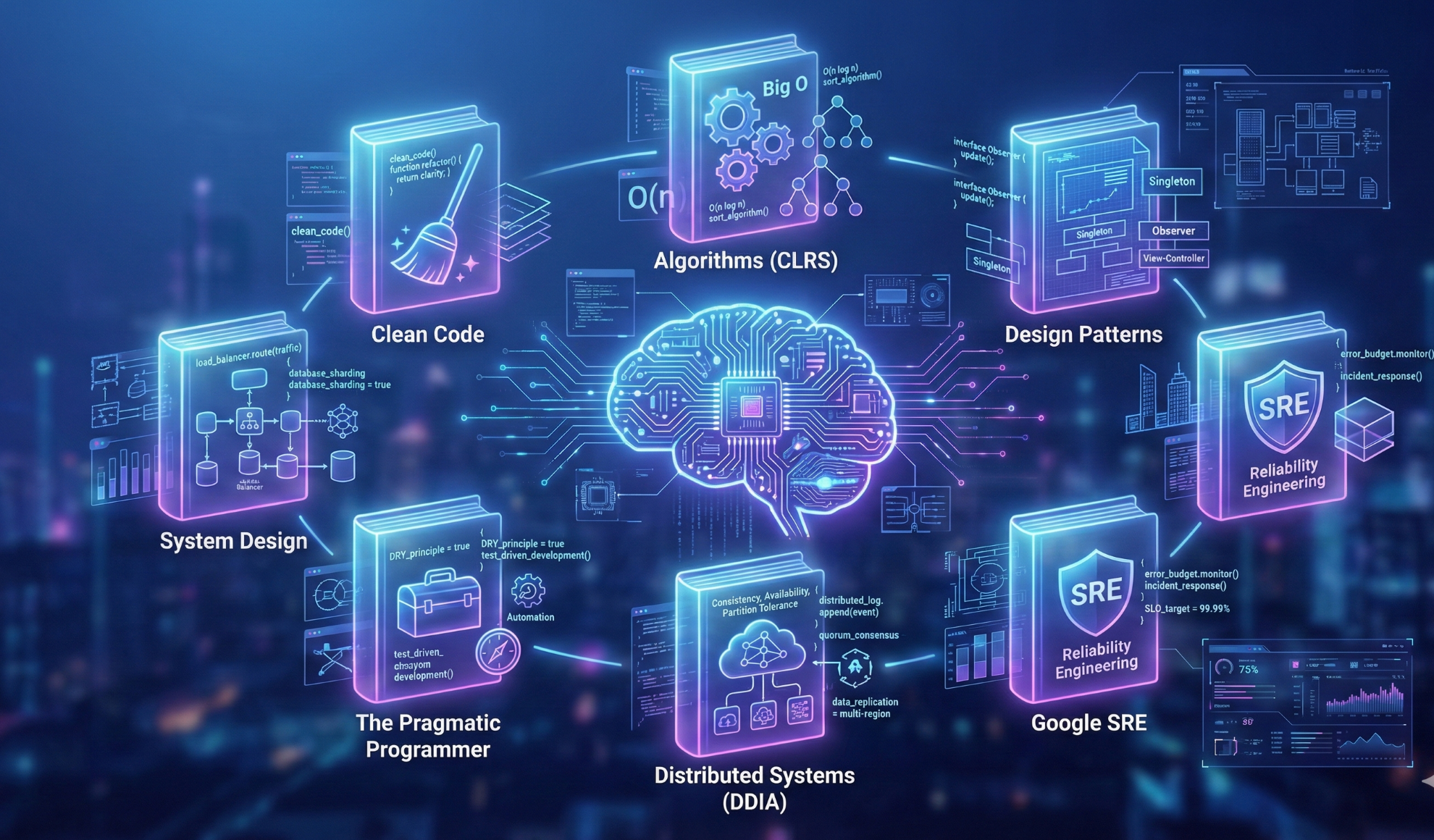
The 7 Most Important Books Every Aspiring Software Engineer Must Read in 2025 (Master Coding, Architecture, System Design & Reliability)
If you're serious about becoming a world-class software engineer—one who writes clean code, thinks architecturally, solves deep algorithmic problems, designs scalable systems, and understands how real-world production systems operate—then there is no shortcut: you must learn from the right books.
The internet is full of book lists, but most of them are either outdated, incomplete, or written without real engineering insight. This article cuts through the noise and presents the definitive list of seven books that shape great developers—from their coding habits all the way to designing Google-scale systems.
These aren’t random recommendations; these books are used by FAANG engineers, recommended by CTOs, and relied on by top-tier engineering teams worldwide.
Let’s dive into the seven essential books that will transform how you write, think, design, and operate software.
1. Clean Code – Robert C. Martin
The foundation of professional-grade coding
Great engineering doesn’t start with frameworks or design patterns—it starts with writing clear, readable, and maintainable code. Clean Code teaches that readable code is not optional; it’s a professional requirement. The book emphasizes writing smaller functions, choosing meaningful names, keeping responsibilities focused, and constantly refactoring to improve structure.
You learn how to spot code smells, eliminate duplication, and write tests that support safe refactoring. The more projects you complete, the more you realize why this book is timeless: messy code slows teams down, while clean code scales your productivity for years.
DOWNLOAD FROM BELOW LINK
https://www.thesgn.blog/books/clean-code
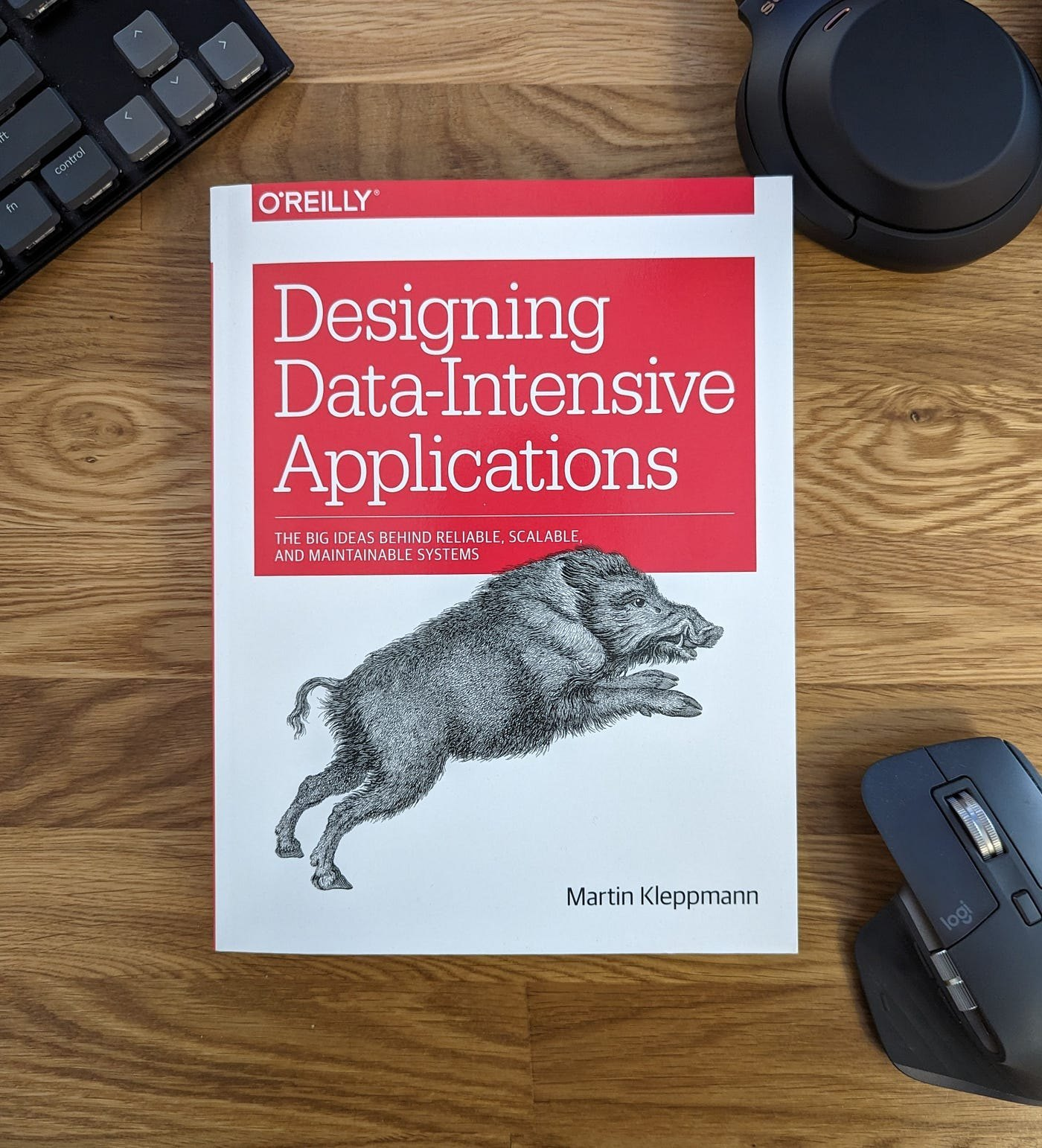
2. Designing Data-Intensive Applications (DDIA) – Martin Kleppmann
The Bible of modern scalable backend systems
If you want to understand real-world backend engineering—how databases work, how distributed systems fail, what consistency really means, how to design scalable data pipelines—nothing compares to DDIA. It explains batch processing vs. stream processing, replication, sharding, consensus algorithms, data models, and the trade-offs behind every architectural decision.
This book is the missing piece between simple CRUD apps and the enormous data platforms powering Netflix, Uber, Amazon, and modern SaaS systems. It teaches you how to think in terms of failure modes, throughput, latency, availability, and long-term maintainability.
DOWNLOAD FROM BELOW LINK
https://www.thesgn.blog/books/ddia
3. Grokking System Design Interview
The complete introduction to scalable system design
While DDIA gives you deep theory, Grokking System Design gives you a structured, interview-ready way to design systems like:
- URL shortener
- Social media feed
- Video streaming service
- Chat messaging system
- Distributed file storage
It teaches a reusable framework: define requirements → design APIs → propose a high-level architecture → scale with caching, sharding, replication → discuss bottlenecks and trade-offs.
This book is extremely practical because it mirrors the problems asked in FAANG interviews and the systems built inside high-growth startups. It helps you think clearly, communicate better, and design scalable components step-by-step.
DOWNLOAD FROM BELOW LINK
https://www.thesgn.blog/books/grokking-system-design
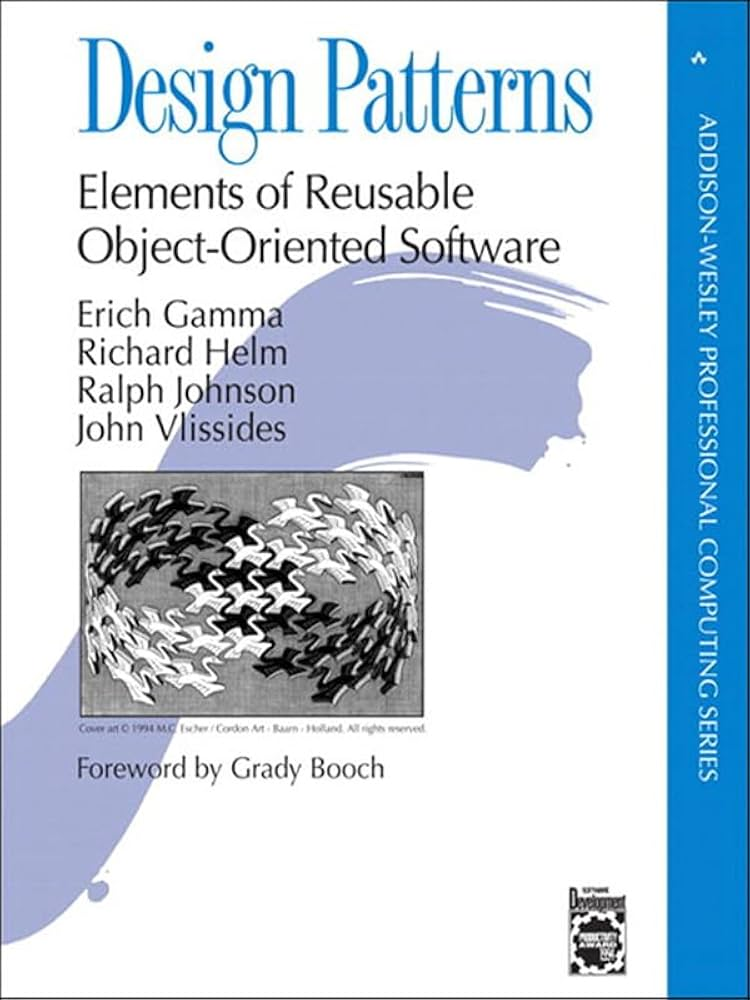
4. Design Patterns – Gang of Four (GoF)
The language of reusable software architecture
If you want to understand object-oriented design at a deep level, this is the book. It introduces 23 patterns organized into:
- Creational patterns like Factory, Builder, Singleton
- Structural patterns like Adapter, Facade, Decorator
- Behavioral patterns like Strategy, Observer, Command
These patterns appear everywhere—frameworks, libraries, UI toolkits, ORMs, game engines, even modern TypeScript and Kotlin codebases. The book teaches you how to reduce coupling, hide unnecessary complexity, and build extensible architecture.
Being fluent in design patterns significantly improves code reviews, architecture discussions, and low-level design interviews.
DOWNLOAD FROM BELOW LINK
https://www.thesgn.blog/books/design-patterns
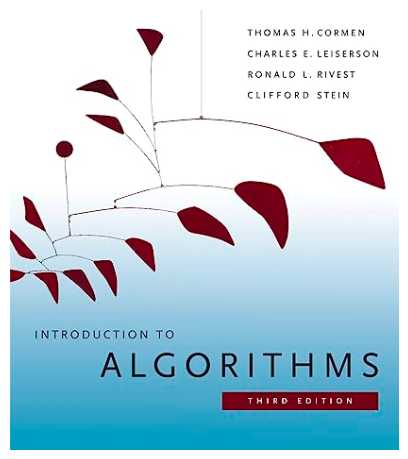
5. Introduction to Algorithms (CLRS)
The gold standard for algorithmic mastery
CLRS is more than a textbook—it’s a deep dive into the foundations of computational thinking. It covers:
- Recursion and divide-and-conquer
- Dynamic programming
- Greedy strategies
- Graph algorithms
- Tree structures
- Hashing, heaps, and priority queues
- NP-completeness
If you want to excel in DSA interviews or want to understand how efficient algorithms improve the performance of real systems, this book is essential. While dense, the clarity and depth make it perfect for building long-term intuition and competitive problem-solving skills.
DOWNLOAD FROM BELOW LINK
https://www.thesgn.blog/books/clrs
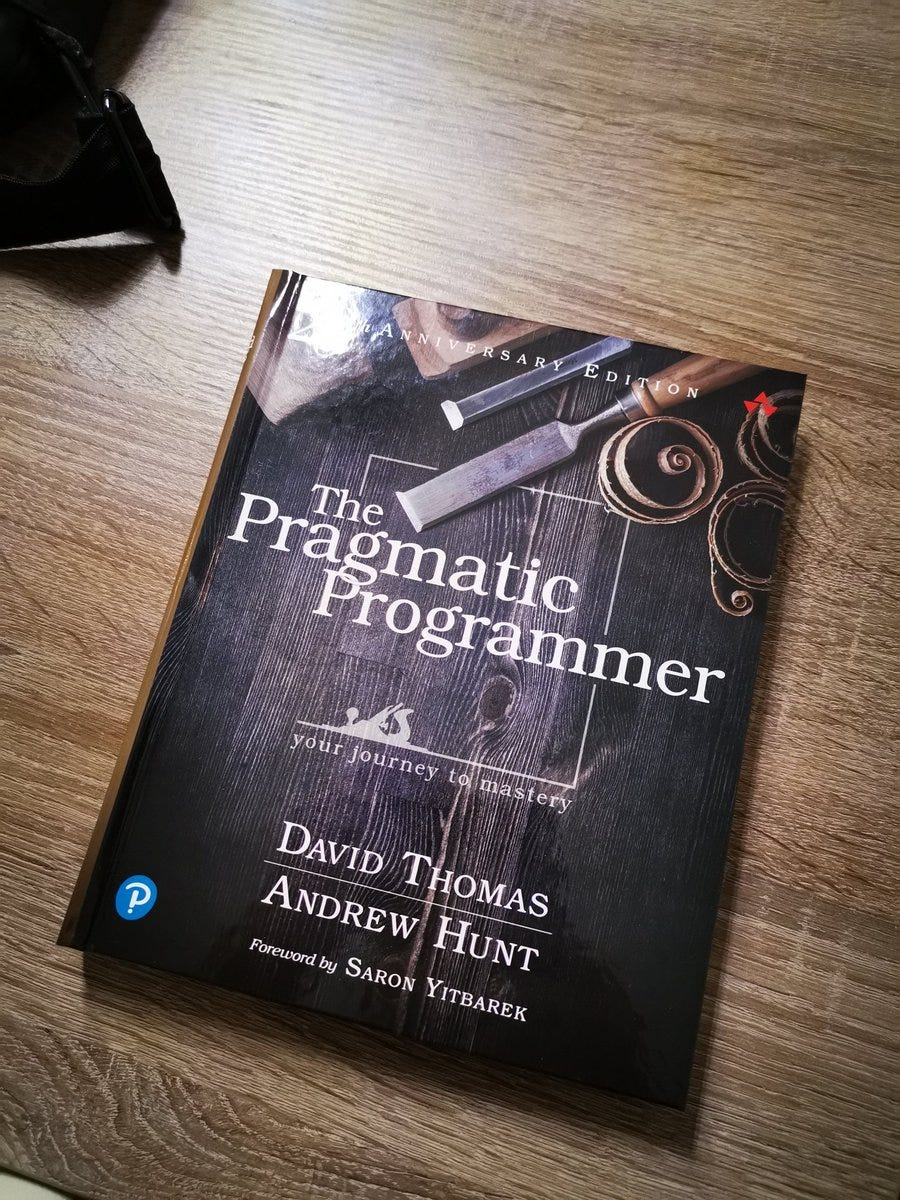
6. The Pragmatic Programmer
Mindset, craftsmanship, and the habits of top engineers
This book is not just about code—it’s about becoming a thoughtful professional who takes ownership of problems and builds solutions the right way. It teaches:
- DRY (Don’t Repeat Yourself)
- Orthogonality
- Effective debugging
- Automation over manual work
- Good communication and trade-off thinking
- Prototyping and tracer bullets
- Version control discipline
It helps you see programming as a craft—something to build with care, curiosity, and continuous improvement. This book makes you a better engineer in everyday work, not just in interviews.
DOWNLOAD FROM BELOW LINK
https://www.thesgn.blog/books/pragmatic-programmer
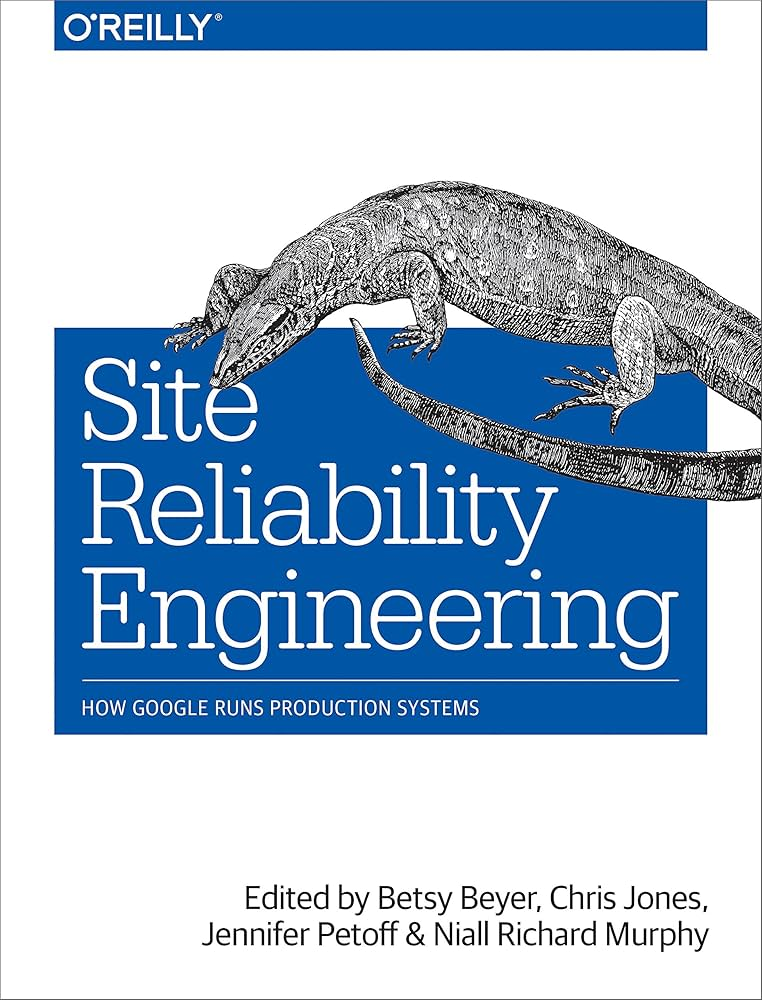
7. Site Reliability Engineering (SRE) – Google
How large-scale production systems truly run
Software engineering doesn’t end when code is deployed. Real success depends on reliability, observability, and operational excellence. SRE teaches:
- SLIs, SLOs, SLAs
- Error budgets and reliability targets
- Incident response and postmortems
- Monitoring and alerting best practices
- Capacity planning and release engineering
- How to design for failure, not just success
This book is essential if you’re interested in DevOps, cloud engineering, backend engineering, or operating production systems at scale. It brings a maturity to your engineering mindset that no coding tutorial can match.
DOWNLOAD FROM BELOW LINK
https://www.thesgn.blog/books/sre
Why These 7 Books Are the Perfect Learning Journey
Together, these books create a powerful, structured path for becoming a complete software engineer:
- The Pragmatic Programmer → teaches the mindset
- Clean Code → teaches code quality and craftsmanship
- CLRS → teaches deep problem-solving and computational thinking
- Design Patterns → teaches reusable architecture
- Grokking System Design → teaches scalable system design
- DDIA → teaches real enterprise-level distributed systems
- SRE → teaches reliability, operations, and production mindset
This combination is unmatched. It builds you into a developer who writes clean code, understands complex algorithms, designs scalable systems, communicates trade-offs, and thinks in real-world production terms.
No university course covers all of this. But these seven books do.
Conclusion
If your goal is to stand out from the crowd, build high-quality software, succeed in interviews, and become the kind of engineer top companies fight to hire—start reading these books. Add them to your learning journey and revisit them often.
Strong engineers aren’t born—they’re built through consistent improvement, exposure to great ideas, and learning from the best minds in the industry.
And these seven books capture the very best of engineering wisdom.
DOWNLOAD LINKS
https://www.thesgn.blog/books/sre
https://www.thesgn.blog/books/clrs
https://www.thesgn.blog/books/clean-code
https://www.thesgn.blog/books/ddia
https://www.thesgn.blog/books/design-patterns